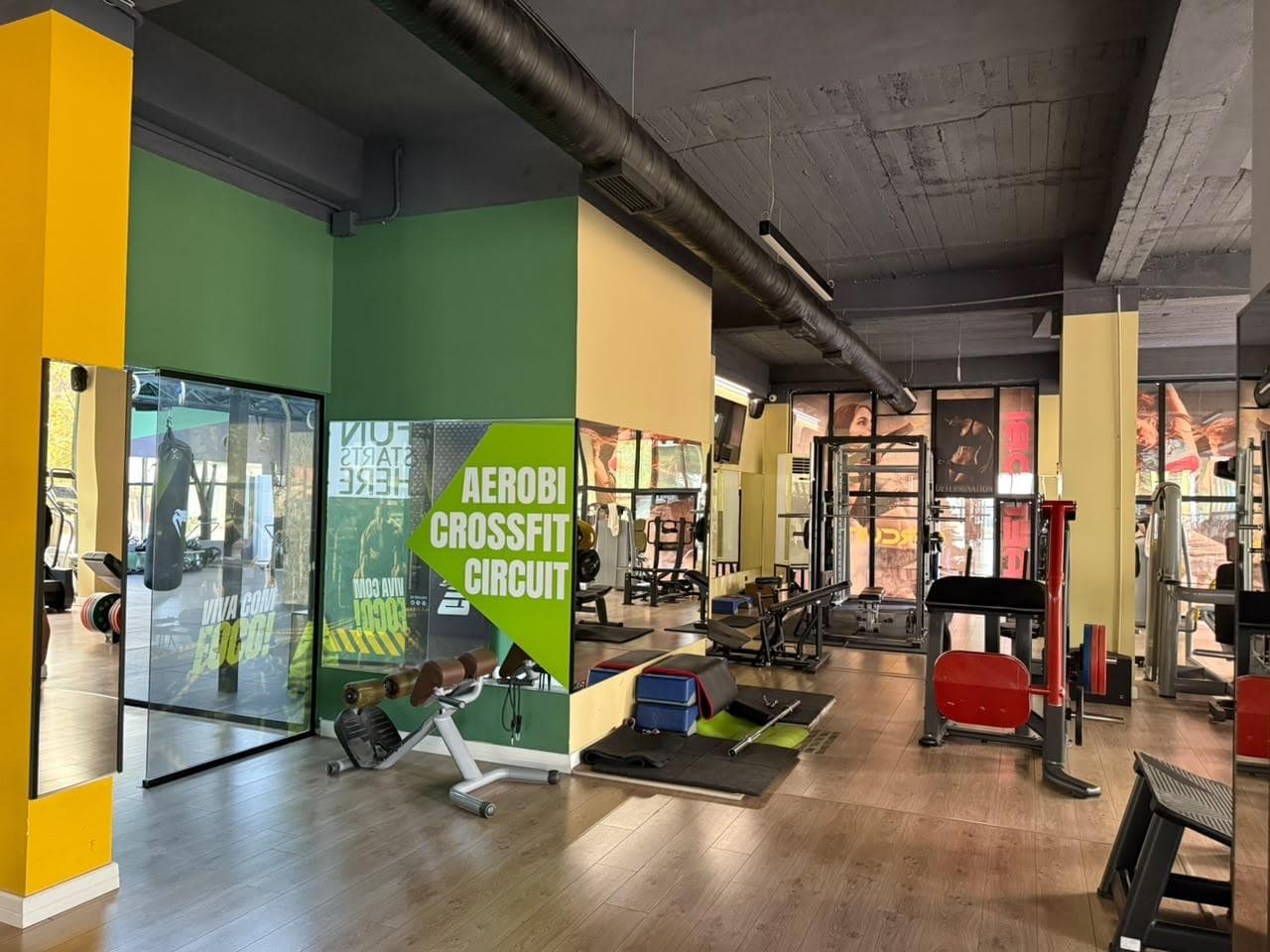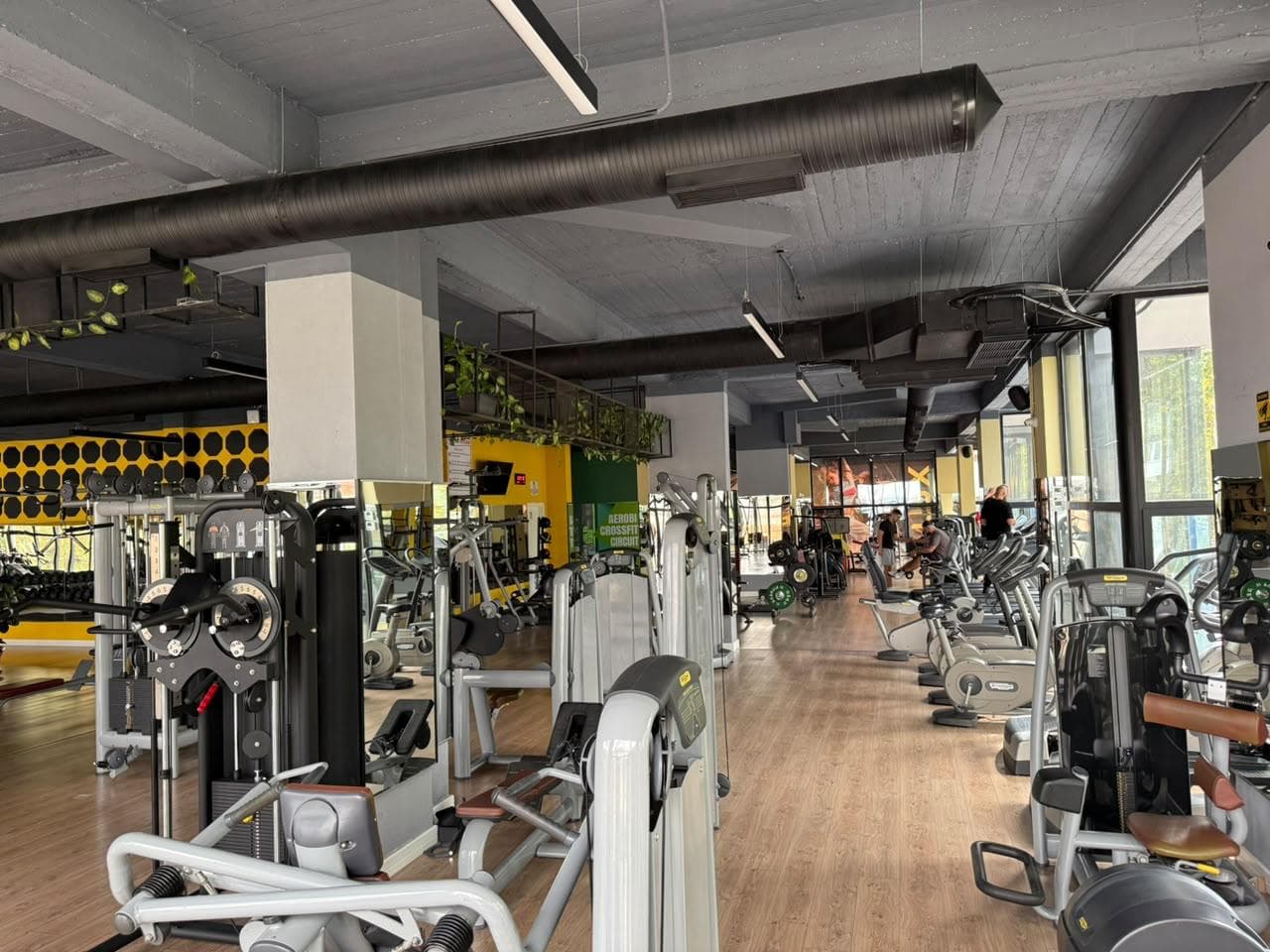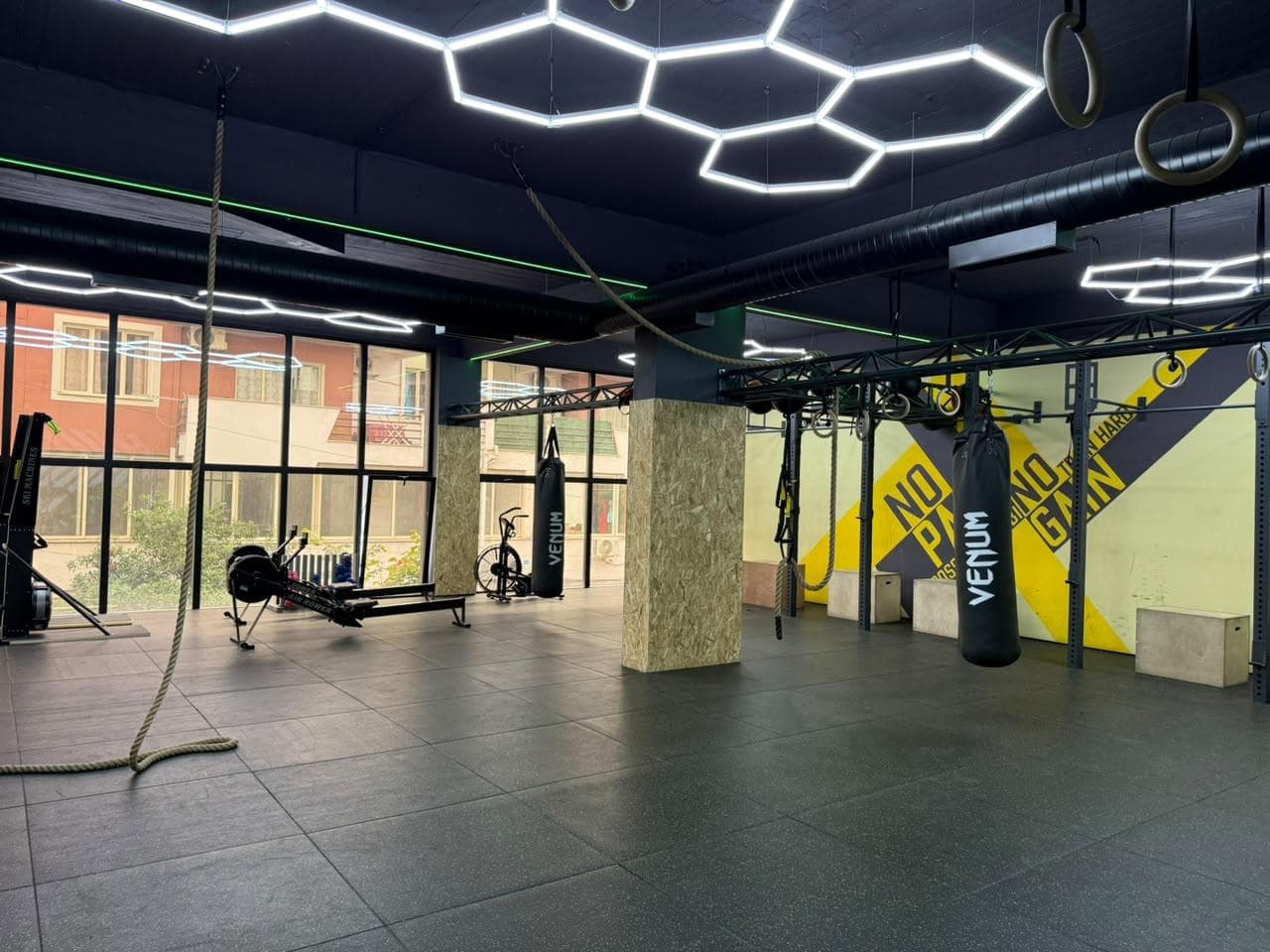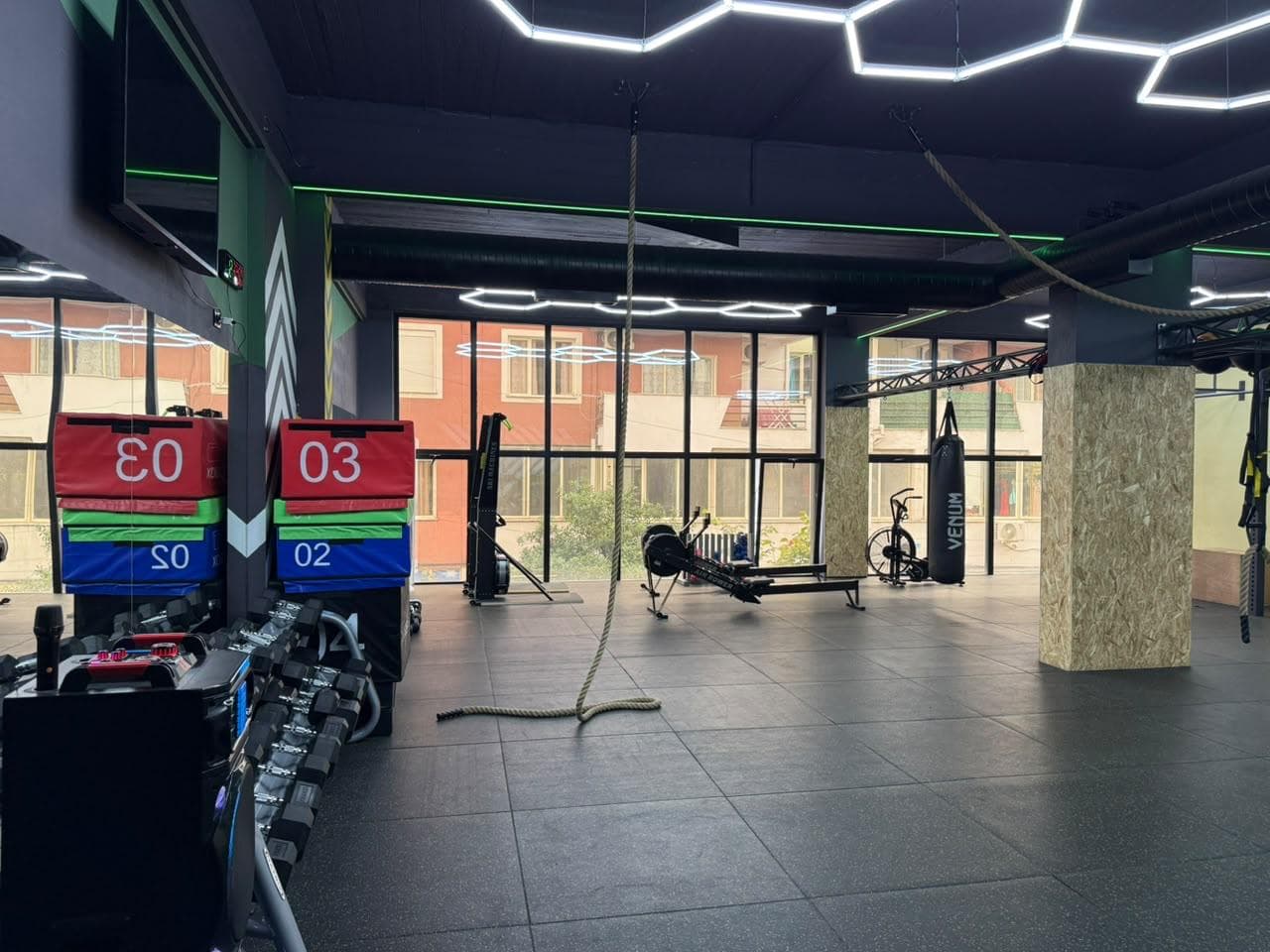
The most common reason members give for missing training is time. Not motivation, not soreness — time. Circuit training exists for exactly that problem, and it is why the circuit class is the busiest hour on the timetable at My Fitness.
What a circuit actually is
A circuit is a fixed sequence of stations performed one after another with very little rest, then repeated. A typical class here runs eight to ten stations: kettlebell swings, rowing, dumbbell presses, sled pushes, battle ropes, goblet squats, a carry and a core station. You work for forty to sixty seconds, move on, and rest properly only once, between rounds. Three rounds and a warm-up fill fifty minutes.
Why it works when the clock is tight
Rest is where most of a conventional session goes. In a traditional strength workout you might rest three minutes between heavy sets, and that is appropriate for maximal lifting — but it means an hour holds relatively little work. A circuit removes that dead time by alternating muscle groups: your legs rest while your shoulders press. You end up doing far more total work per hour, and your heart rate never drops back to resting, which is where the conditioning effect comes from.
Strength and cardio in the same hour
Circuits are the practical answer to the split most people cannot afford: lifting three days a week plus separate cardio sessions. Because the stations are loaded — kettlebells, dumbbells, sleds — you keep a real strength stimulus while training the aerobic system at the same time. It will not make you as strong as a dedicated powerlifting block, and it will not make you as fit as a running programme. It gets you a long way toward both in half the weekly hours, which for most people is the trade that matters.