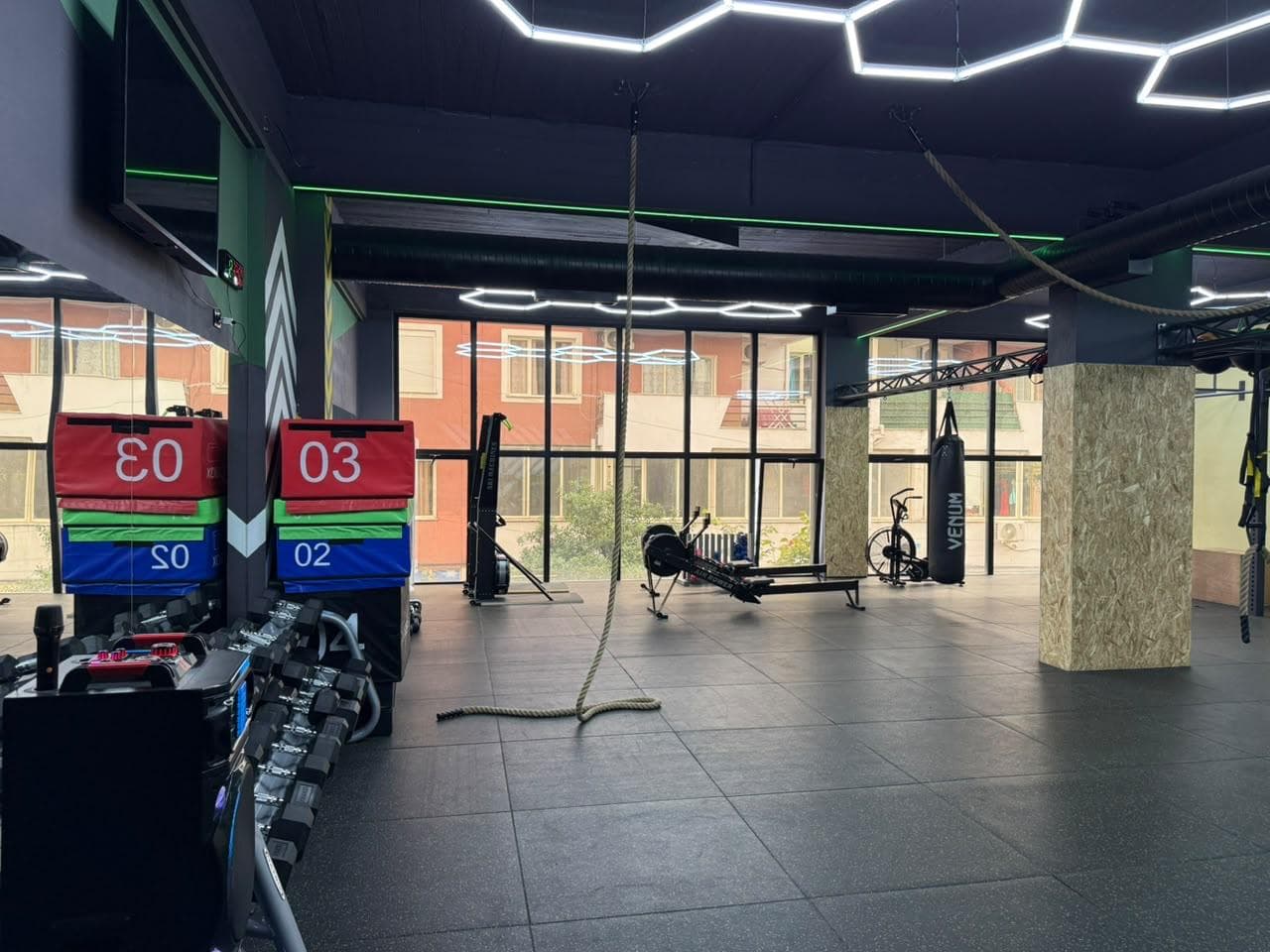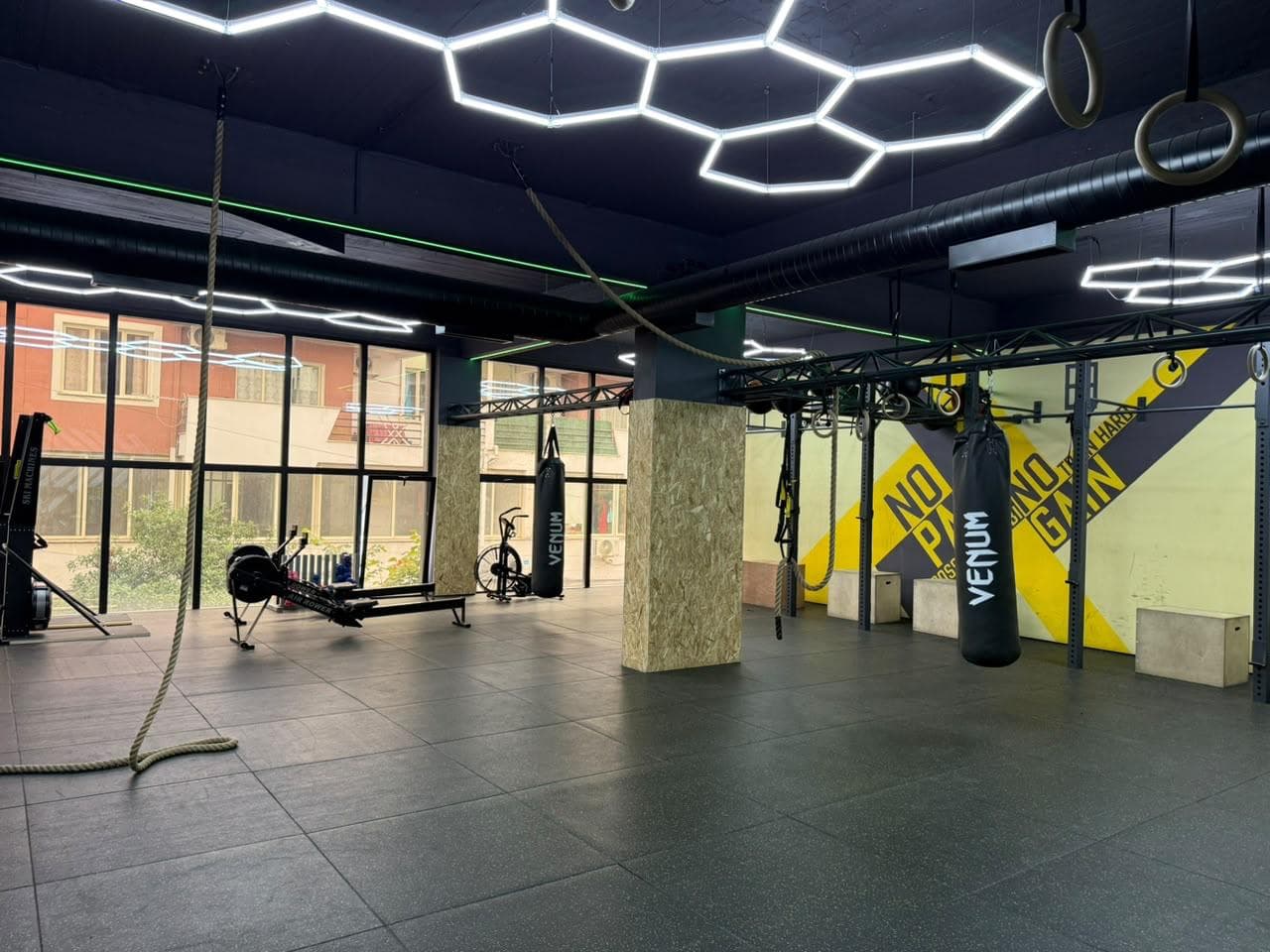
Most sessions on our functional floor end the same way: someone deciding, with about ninety seconds of energy left, whether to finish on the rower or the air bike. It is a small decision that members overthink, so here is the honest answer — both machines will get you fit, and the right one for you usually comes down to what you are protecting on any given day.
What the rower actually trains
A rowing machine loads your legs, back and arms in a single connected pulling motion, which makes it closer to a strength exercise than most cardio equipment. It is unmatched for building work capacity in your posterior chain — hamstrings, glutes and back — without adding the joint stress of another loaded lift. If your legs are already fried from a heavy squat session, the rower will ask them for more.
What the air bike actually trains
An air bike, by contrast, is almost entirely about output and pacing — the harder you push, the harder it pushes back, because the fan resistance scales with your effort. It hits your legs and arms together but is gentler on a fatigued lower back than rowing, which makes it the better choice on a day when your posterior chain is already spent from lifting but you still want a hard conditioning finish.
The pacing mistake almost everyone makes
On both machines, new members go out far too hard in the first thirty seconds and are fighting for air by the halfway mark of even a short interval. A pace you could hold for the entire piece, starting slightly conservative and building through the back half, will produce a better and more consistent score than an explosive start that collapses. Watch the numbers, not just the clock — consistent splits matter more than a fast opening ten seconds.