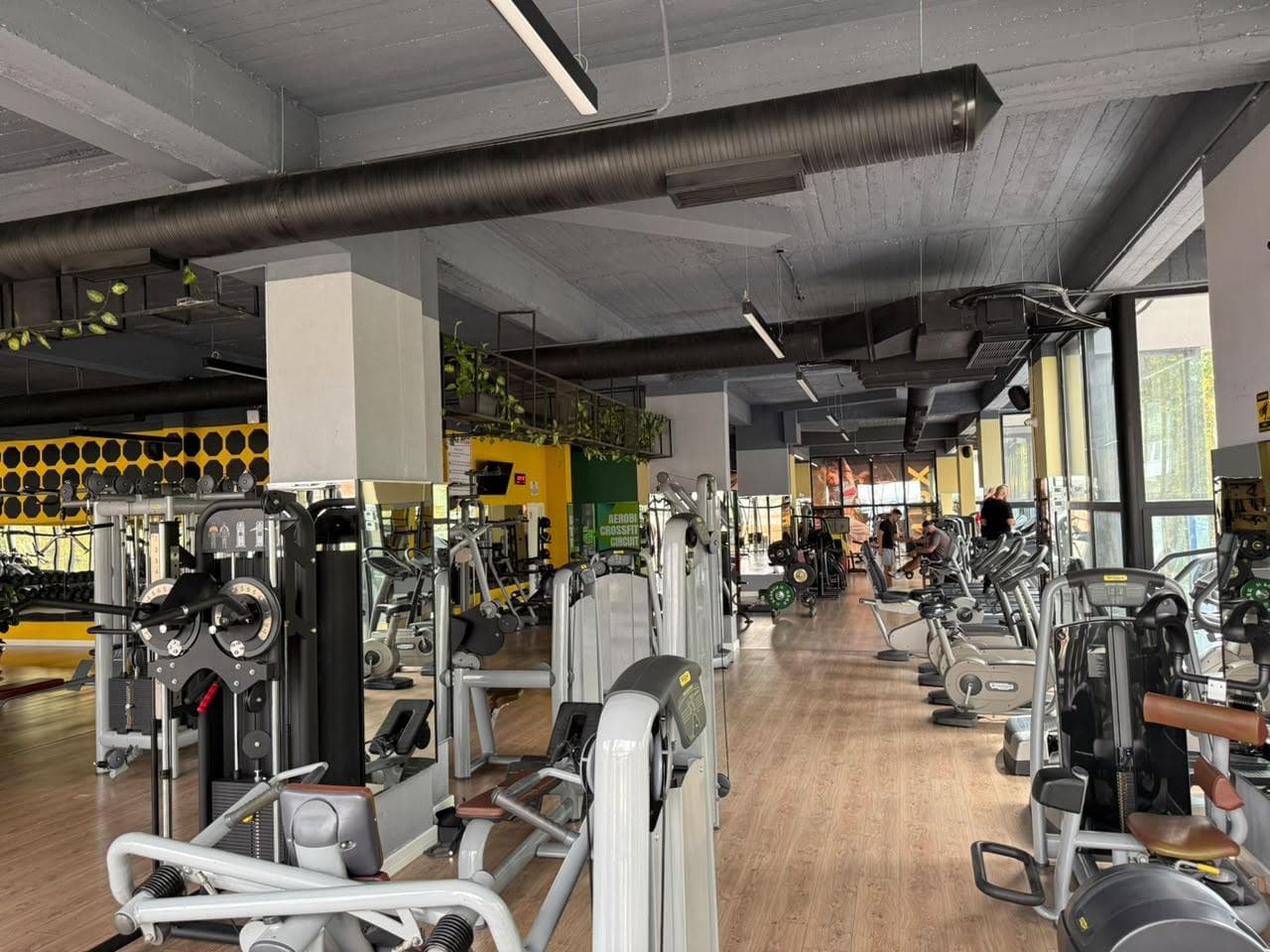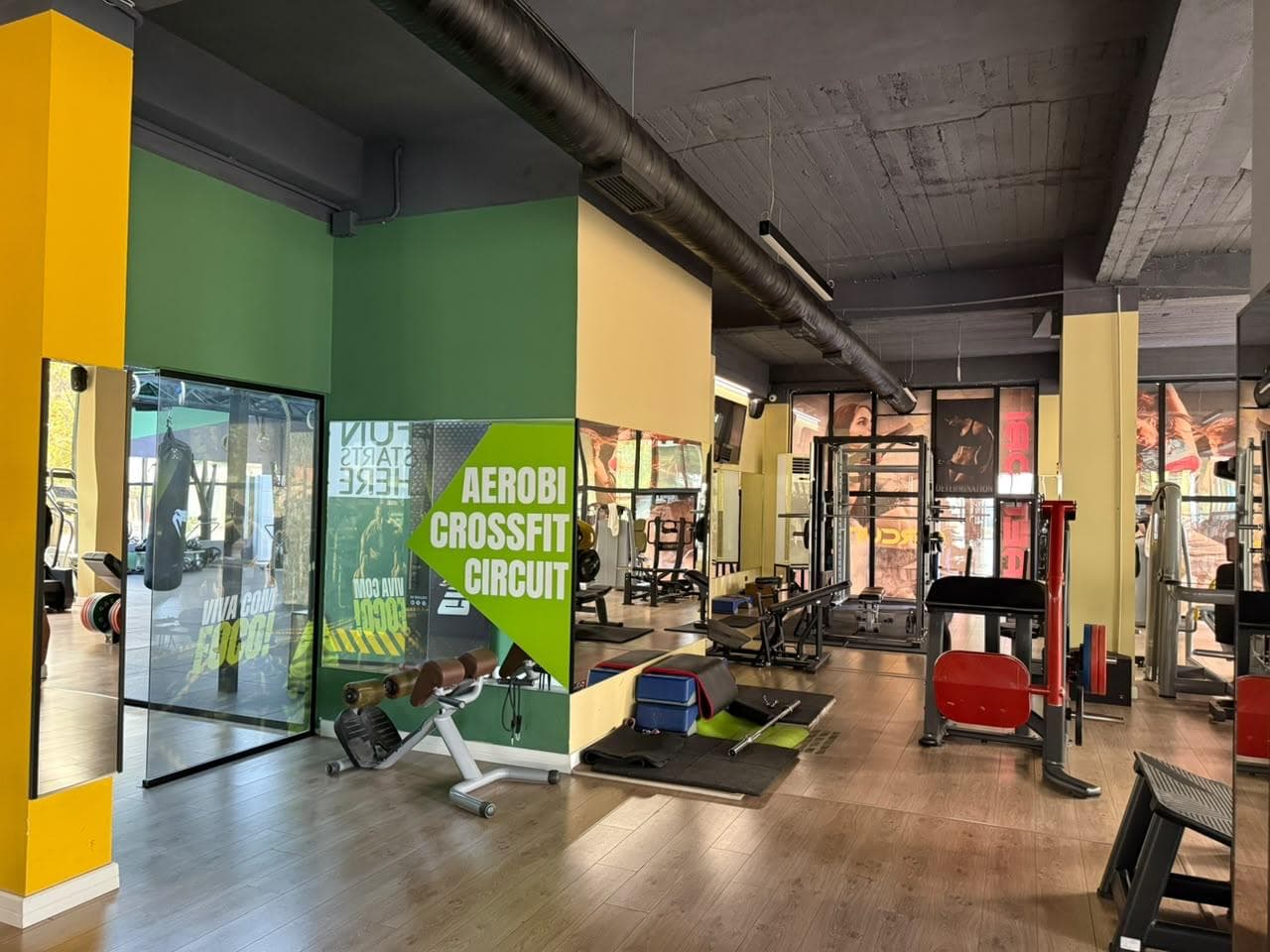
There is a persistent idea, mostly picked up from social media, that machines are for beginners and free weights are for "serious" training. Walk our machine floor on a Saturday morning and you will find some of our most experienced lifters there, deliberately choosing a machine over a barbell — not because they have to, but because it is the smarter tool for what they are doing that day.
What a machine does better than a free weight
A machine controls the path of the weight for you, which removes the balance and stabilising demands a free-weight version of the same exercise requires. That sounds like a downside until you realise what it buys you: the ability to push a single muscle group close to genuine failure without the risk of a barbell or dumbbell going somewhere it should not. A leg extension can safely finish a leg day in a way a heavy final squat set cannot.
When fatigue makes a machine the safer choice
Near the end of a long session, coordination and balance are the first things to decline, well before raw strength does. That is precisely the point in a workout where a free-weight movement carries the most risk of a slip in technique, and precisely where a machine's fixed path keeps you training safely and effectively instead of packing up early.
Machines are excellent for isolating a weak point
If one side of your chest lags behind the other, or your hamstrings never seem to catch up with your quads, a machine lets you load that specific muscle directly, without a stronger muscle group quietly taking over the way it often does in a compound free-weight lift. This is exactly why competitive lifters, not just beginners, use machines deliberately as accessory work.