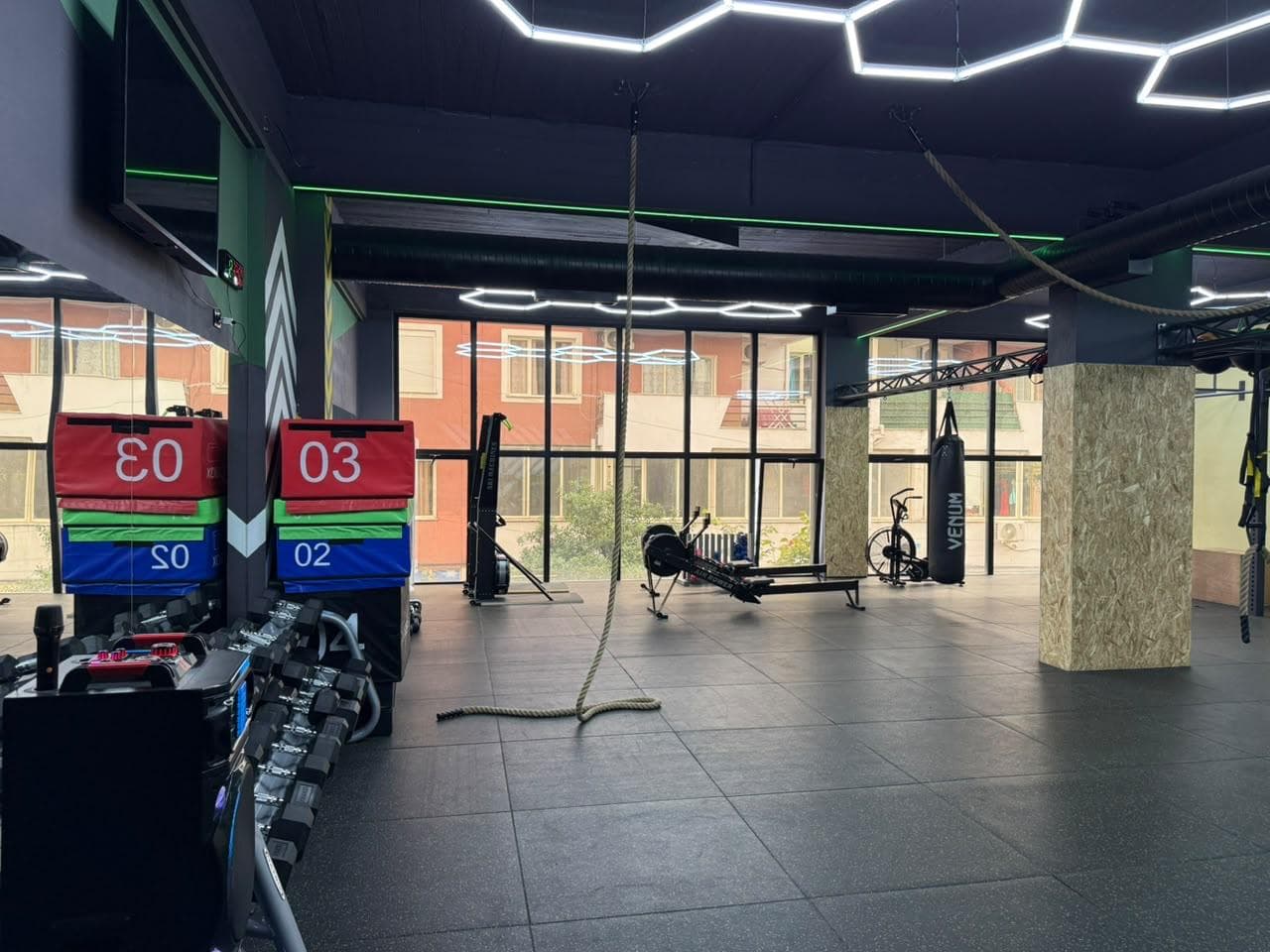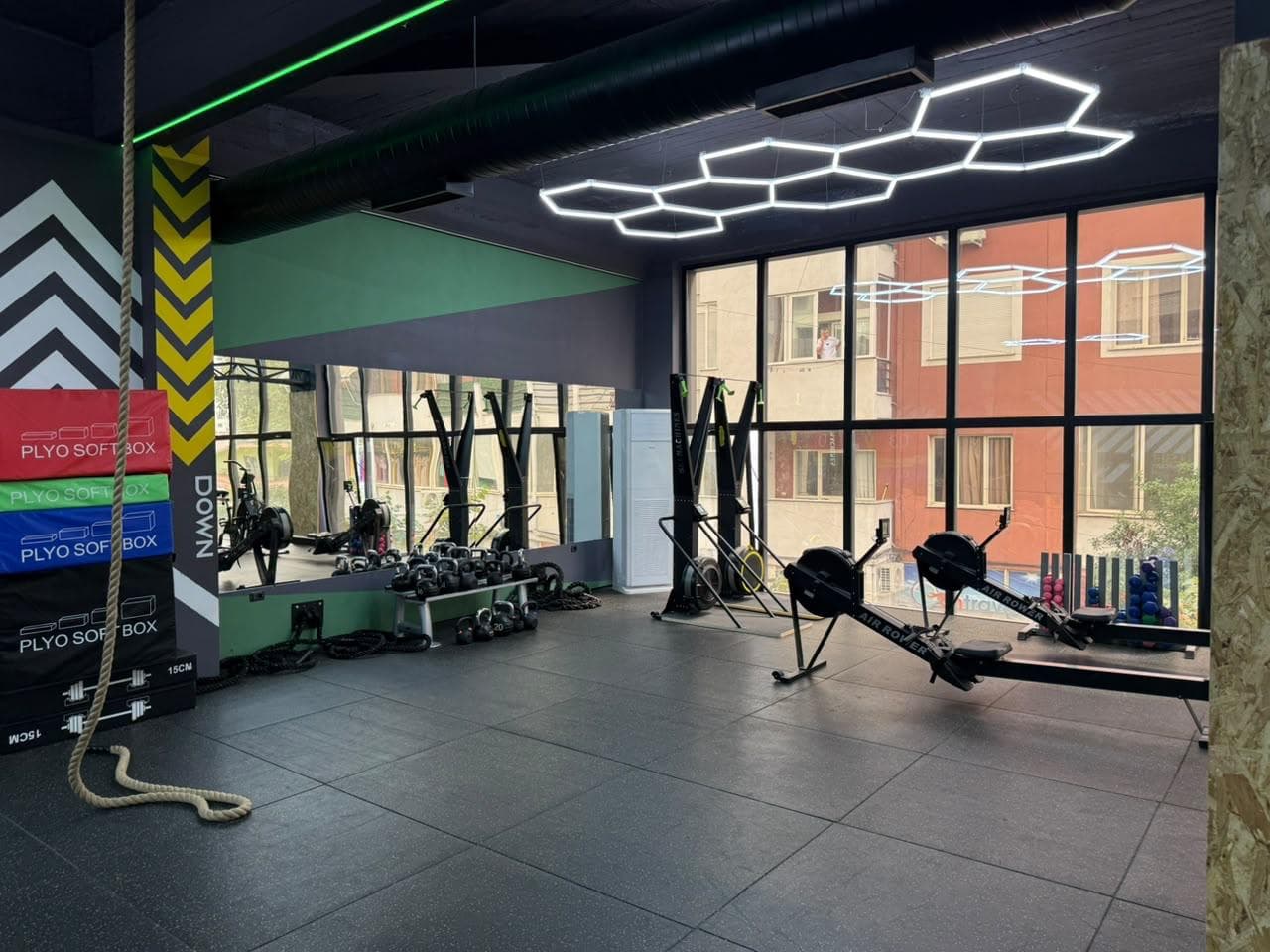
The plyo boxes stacked along our functional wall look simple enough: step up, jump on, jump off. What most new members do not expect is that we spend more time teaching the landing than the jump. Plyometric training — explosive, springing movements like box jumps and jump squats — is one of the most useful additions to a training programme, and one of the easiest to get wrong.
The jump is not the hard part
Almost anyone can produce enough force to jump onto a box. What decides whether plyometric training helps you or hurts you is how you land — quietly, with bent knees, hips back, weight balanced through the whole foot. A loud, straight-legged landing sends the impact straight through the knees and lower back instead of absorbing it through the big muscles built to handle it.
Why we start on a box, not the floor
Jumping onto an elevated box is safer for a beginner than jumping for height off the floor, because you can control exactly how high you ask your body to go, and stepping back down afterwards removes the compounding impact of a second landing. Once landing mechanics are consistent on a low box, height becomes something to add gradually, not something to chase from day one.
What it actually trains
Plyometric work develops the fast, elastic strength that separates simply being strong from being explosive — the difference between grinding out a heavy squat and being able to produce that same force in a fraction of a second. It carries over directly to sprinting, changing direction and almost every movement in our CrossFit classes, and it is a component most members' programmes are missing entirely.